



Mandated Reporter Liability in New York: What Survivors Should Know
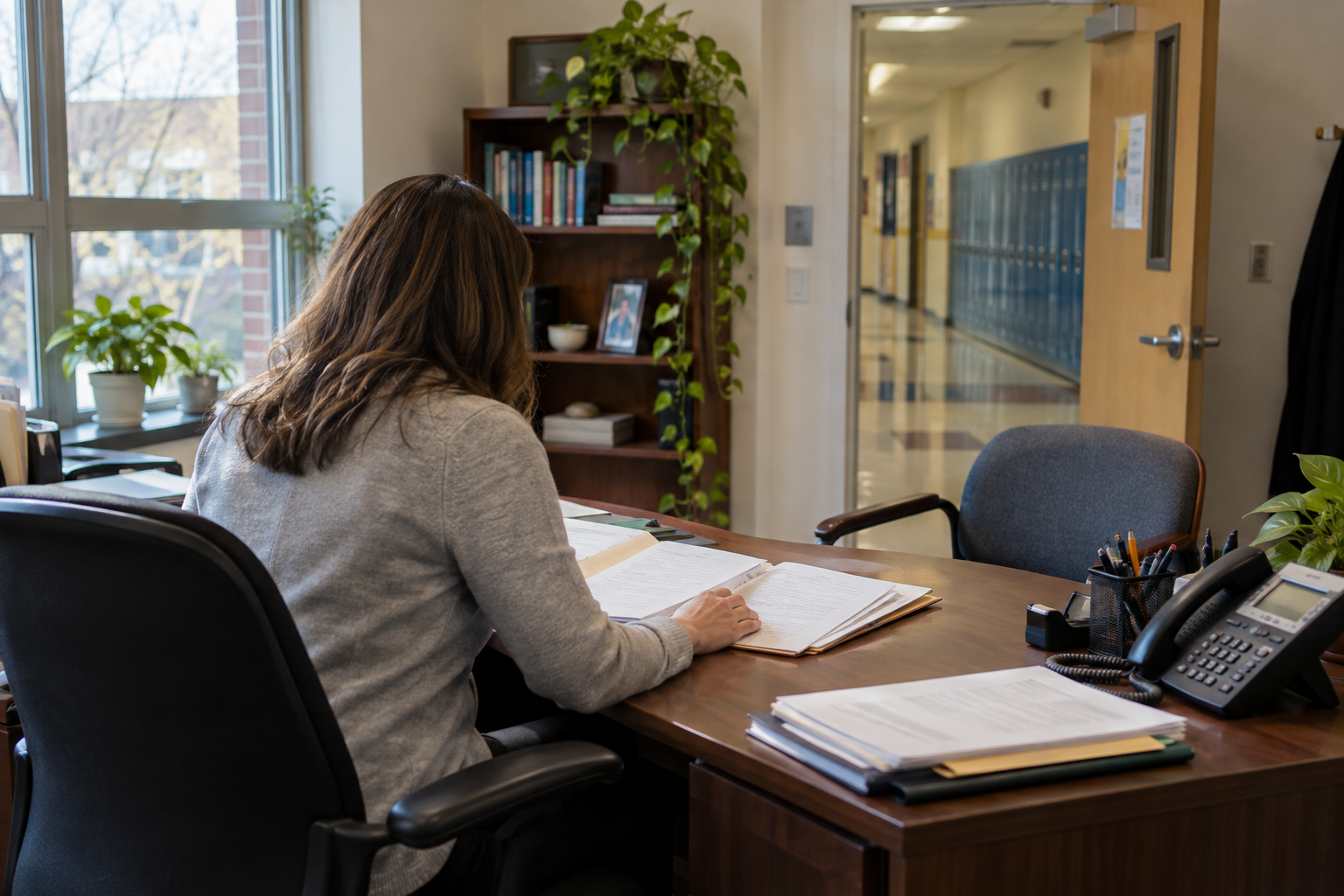
Mandated Reporters Who Stay Silent Can Be Sued
On April 13, 2026, lawmakers introduced the Child Abuse Reporting Expansion Act in Albany as S9899 and A8063A. The bill would add clergy to New York’s list of mandated reporters, with an exception for confessions. It remains in committee and is not law. Still, it has renewed a question survivors and parents often ask: what happens when a professional knows about abuse and says nothing? This post explains the rules on mandated reporter liability New York courts apply, which are narrower than many people expect.
Who Must Report Under Social Services Law 413
New York’s reporting duty lives in Social Services Law 413. That section lists the professionals who must report, including physicians, nurses, psychologists, social workers, police officers and school officials. Many others who work with children appear on the list too.
Under the statute, the duty arises when a professional has “reasonable cause to suspect” abuse or maltreatment. In addition, the child must come before the professional in a professional or official capacity. Notably, the standard does not require proof or certainty. Instead, it asks whether the facts would lead a reasonable person in that role to suspect abuse.
Clergy are not currently on the list. Therefore, a priest, a rabbi or an imam who learns of abuse has no reporting duty under Section 413 today. However, the pending bill would change that only if it passes both houses and the governor signs it.
Good-Faith Immunity and the Knowing-Failure Standard
Section 419 protects reporters who act in good faith. Anyone who makes a report, or takes part in the process, receives immunity from civil and criminal liability. Furthermore, the law presumes good faith for people acting within the scope of employment. Protection ends at willful misconduct or gross negligence.
Section 420 runs the other way. Under Section 420(2), a mandated reporter who “knowingly and willfully” fails to report can face civil liability for the damages that failure proximately caused. Beyond that, a willful failure is a class A misdemeanor.
That standard sets a high bar. Negligent failure is not enough. For example, a nurse who should have noticed warning signs but did not may escape liability under Section 420. In contrast to an ordinary negligence case, the survivor generally must show the reporter actually suspected abuse and chose silence.
Mandated Reporter Liability New York Courts Recognize Often Stops at Parents
Here is the limit that surprises most families. Across New York, the reporting duty covers abuse by a parent or another person legally responsible for the child. As a result, abuse by a teacher or coach often falls outside Section 413 entirely.
Appellate courts have applied that limit. Consider Hanson v. Hicksville Union Free School District, a 2022 decision. There, the Second Department held that the reporting duty did not reach abuse by someone who was not legally responsible for the child. Similarly, the Fourth Department took the same view in 2023 in Solly v. Pioneer Central School District.
Because of these rulings, mandated reporter liability New York plaintiffs can use rarely fits a school or youth sports case. Our post on youth sports coach sexual abuse in New York explains the theories that usually apply to coaches.
When a Failure-to-Report Lawsuit Can Succeed
Where the abuser was a parent or another legally responsible adult, Section 420 can support a lawsuit. A recent Second Department decision shows how. Brown v. Westchester County, decided January 22, 2025, denied the defendant summary judgment. Its motion failed because it had not shown that it did not knowingly and willfully fail to report.
Survivors should take note. Put simply, a defendant seeking early dismissal must affirmatively disprove a knowing failure, and the question may go to a jury. Evidence such as case notes, internal emails and witness accounts can show what a reporter knew and when.
Causation comes next. Survivors must connect the silence to later harm, often by showing that abuse continued after the reporter should have acted. Records from a child protective investigation, school files and medical charts can help. For background, our guide to the signs of child abuse in daycare describes the red flags professionals should notice.
Other Ways to Hold Institutions Accountable
Often, the stronger case against a school, a camp or a church does not rely on Section 420 at all. Negligent supervision and negligent retention can reach an institution that knew or should have known about a dangerous employee. Those theories rest on ordinary negligence, so the survivor does not need to prove a knowing and willful failure.
Next, negligent hiring can apply when an employer ignored warning signs before bringing someone on. Our post on negligent hiring lawsuits in New York walks through that theory. Together, these theories often give survivors a clearer path than a reporting statute.
Timing also matters. Today, New York gives survivors of childhood sexual abuse until age 55 to sue in many cases. Fortunately, a New York sexual abuse lawyer can review which theory fits the facts and whether the deadline has passed. Families can also learn about our work as a child abuse lawyer in New York.
Discuss Mandated Reporter Liability New York Cases With The Law Firm of Andrew M. Stengel, P.C.
Sometimes a teacher, a doctor or another professional stays silent while a child suffers abuse. Even then, the law may offer a path to accountability. Throughout New York, The Law Firm of Andrew M. Stengel, P.C. represents survivors and families. Explore our civil practice areas to see how we can help.
Contact us to discuss your case. Email info@stengellaw.com or schedule at https://calendly.com/stengellaw.