



Myth: “She Chose to Drink, So It Wasn’t Rape.” Can a Drunk Person Consent to Sex in New York?
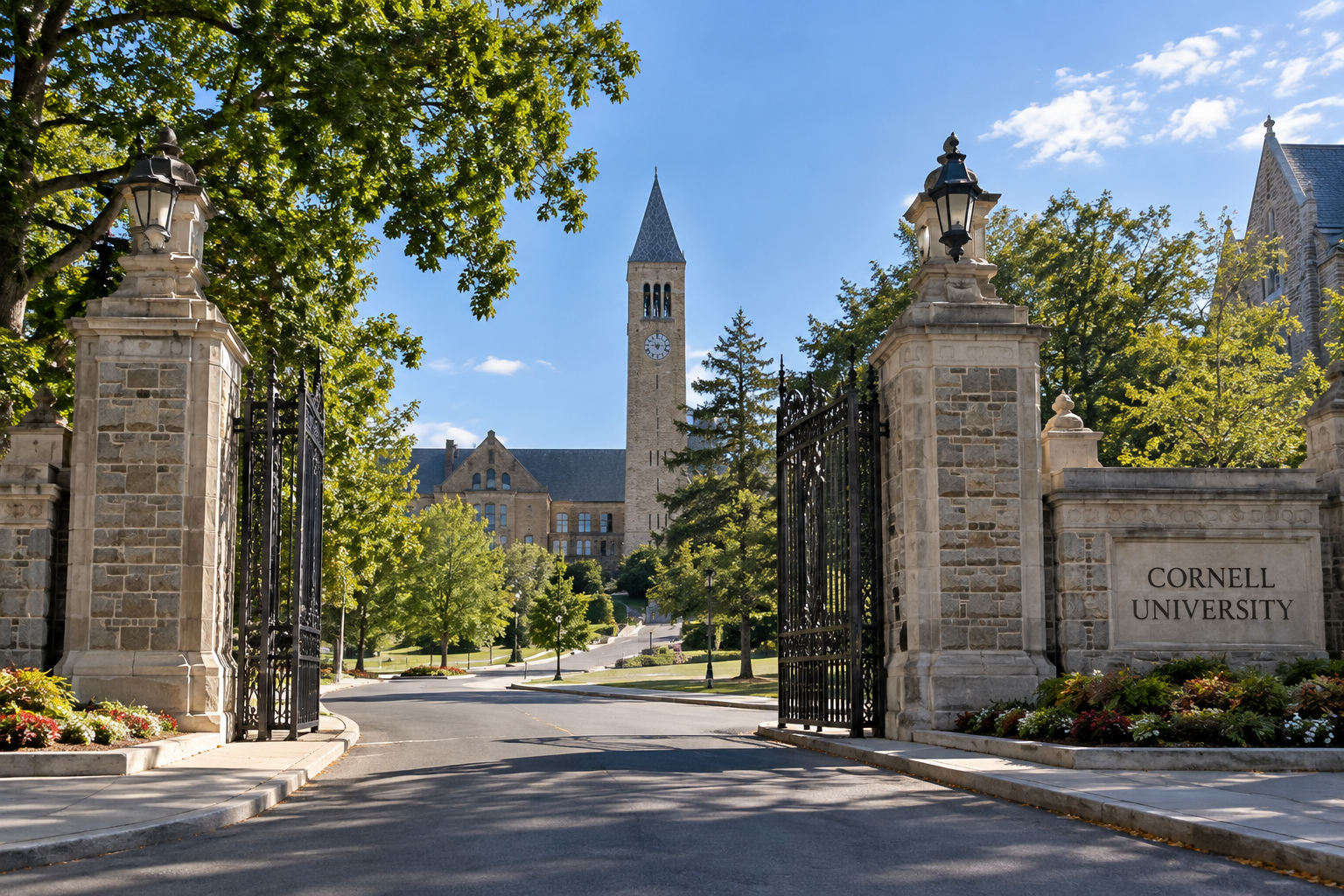
When a Tompkins County prosecutor declined to charge anyone in the alleged Cornell fraternity gang rape, his explanation turned on one fact. His reason: the student drank and used drugs by choice. That reasoning sparked outrage across New York and raised a question many survivors ask privately. Can a drunk person consent to sex? Most importantly, drinking is never consent, and voluntary intoxication is not a defense to rape. Below, we explain where the myth comes from and the gap in the Penal Law that critics call a loophole. Next, we cover the stricter consent rule New York colleges follow and why a civil lawsuit does not depend on a criminal charge.
Where the “She Chose to Drink” Myth Comes From
During the night of October 19 and 20, 2024, the alleged assault took place at the Chi Phi house near Cornell University. By November 2024, District Attorney Matthew Van Houten had declined to prosecute. According to ABC News, he said the student took drugs and alcohol voluntarily and never claimed force.
Since then, the case has changed course. Using the name Jane Doe, the student filed a civil lawsuit on September 16, 2026. Her complaint alleges that fraternity members gave her ketamine without her knowledge or consent. On September 28, 2026, the district attorney reopened the investigation. Meanwhile, on October 1, 2026, Governor Kathy Hochul named Attorney General Letitia James as special prosecutor.
Behind the original decision sits a myth that survivors hear constantly. According to the myth, a woman who chose to drink accepted whatever happened next. In fact, New York law says no such thing.
Voluntary Intoxication Is Not a Defense to Rape
Start with the person accused. Under Penal Law 15.25, intoxication is not, as such, a defense to a criminal charge. Because of this, a man who was drunk at a party cannot excuse a sexual assault by pointing to his own drinking.
Next, consider the survivor. Her drinking does not hand anyone permission, and it does not erase the crimes defined in Article 130 of the Penal Law. For example, rape in the first degree under Penal Law 130.35 includes sexual contact by forcible compulsion. Rape in the first degree also covers sexual contact with a person who cannot consent because she is physically helpless.
Notably, the law defines physically helpless as unconscious or otherwise physically unable to communicate unwillingness. Nothing in that definition asks how the person got there. Whether she drank by choice or not, a survivor who passed out is physically helpless, and sexual contact with her is rape.
Rape in the third degree adds another protection. This crime covers sexual contact after a person clearly expressed that she did not consent, so drinking never cancels a clear no. Furthermore, the law treats a survivor as mentally incapacitated when someone gave her a drug without her consent. Jane Doe’s complaint alleges exactly that about the ketamine.
Can a Drunk Person Consent Under the Penal Law? The Loophole Explained
Here is the gap critics point to. Penal Law 130.00 defines mentally incapacitated as unable to appraise or control one’s conduct because of a substance given without consent. As a result, a survivor who drank or used drugs voluntarily cannot rely on that definition, however impaired she was.
So can a drunk person consent when she is impaired but still awake? With the current Penal Law, a prosecutor may decide that the criminal law offers no charge in that middle zone. Even so, the district attorney himself called the conduct in this case “disgusting.”
Lawmakers have tried to close it. On June 4, 2026, the State Senate passed S10632 by a vote of 60 to 0. If passed, the bill would reach a victim too impaired by any substance to appraise or control her conduct. It would apply when the actor knew, or reasonably should have known, about that impairment. However, the bill still sits in the Assembly Codes Committee. Earlier, on September 30, 2026, the Assembly formed a working group to review the state’s rape laws.
New York Colleges Already Use a Stricter Consent Rule
Outside the criminal courts, New York has already rejected the myth. Under Education Law 6441, every college must define affirmative consent as a knowing and voluntary decision that every participant shares. Consent cannot be given when a person is incapacitated, and anyone may withdraw it at any time.
Furthermore, the same law addresses drinking directly. Education Law 6442 requires every college to adopt an amnesty policy for students who report in good faith. Because of that policy, a student who reports a sexual assault faces no alcohol or drug discipline. Beyond that, Education Law 6443 gives students the right to be free from any suggestion that they caused the assault.
Those rules matter for a survivor. A campus process may not treat drinking as a substitute for consent. Nor may a college punish a student for drinking when she comes forward. Cornell’s own Title IX process led to two expulsions and two suspensions, according to CBS News. To learn how outside help can change a case, read why crime victims need advocates in New York.
Your Civil Lawsuit Does Not Depend on a Prosecutor
Of course, a criminal case and a civil lawsuit are separate. New York’s CPLR 213-c gives a survivor 20 years to sue over conduct that would constitute rape and certain other serious sex offenses. The statute states that no criminal charge or conviction is needed to bring the lawsuit.
During a civil trial, a jury decides whether the survivor proved her case by a preponderance of the evidence. This standard is lower than proof beyond a reasonable doubt. Beyond the attacker, CPLR 213-c also reaches anyone whose negligence allowed the assault. Today, Jane Doe’s lawsuit names the university, several fraternity organizations and the bar that served her.
Deadlines still matter. In 2019, New York extended the civil deadline for these offenses to 20 years. Later, the Adult Survivors Act went further and gave adult survivors one year to file lawsuits that had already expired. That window ran from November 24, 2022, to November 24, 2023. Today it is closed.
For assaults in New York City, the city’s Gender-Motivated Violence Act may offer another path. Experienced gender-motivated violence lawyers can tell you whether it fits your case.
Often, the harm of an assault shows up long after the night itself. Our guide to PTSD after a sexual assault describes those injuries and how to document them.
A civil jury can award money for that harm. Our post on emotional distress damages in a sexual abuse case explains how a jury values it.
Talk With The Law Firm of Andrew M. Stengel, P.C. About Consent and Your Rights
If you were assaulted after drinking, you did nothing to give up your rights. An experienced sexual assault lawyer can review the evidence, explain your deadlines and pursue every responsible party. The Law Firm of Andrew M. Stengel, P.C. represents survivors throughout New York, and we fight to maximize your recovery. See our civil practice areas for other cases we handle.
Contact us to discuss your case. Email info@stengellaw.com or schedule at https://calendly.com/stengellaw.