



What the $72.5 Million Epstein Bank Sex Trafficking Settlement Means for Survivors
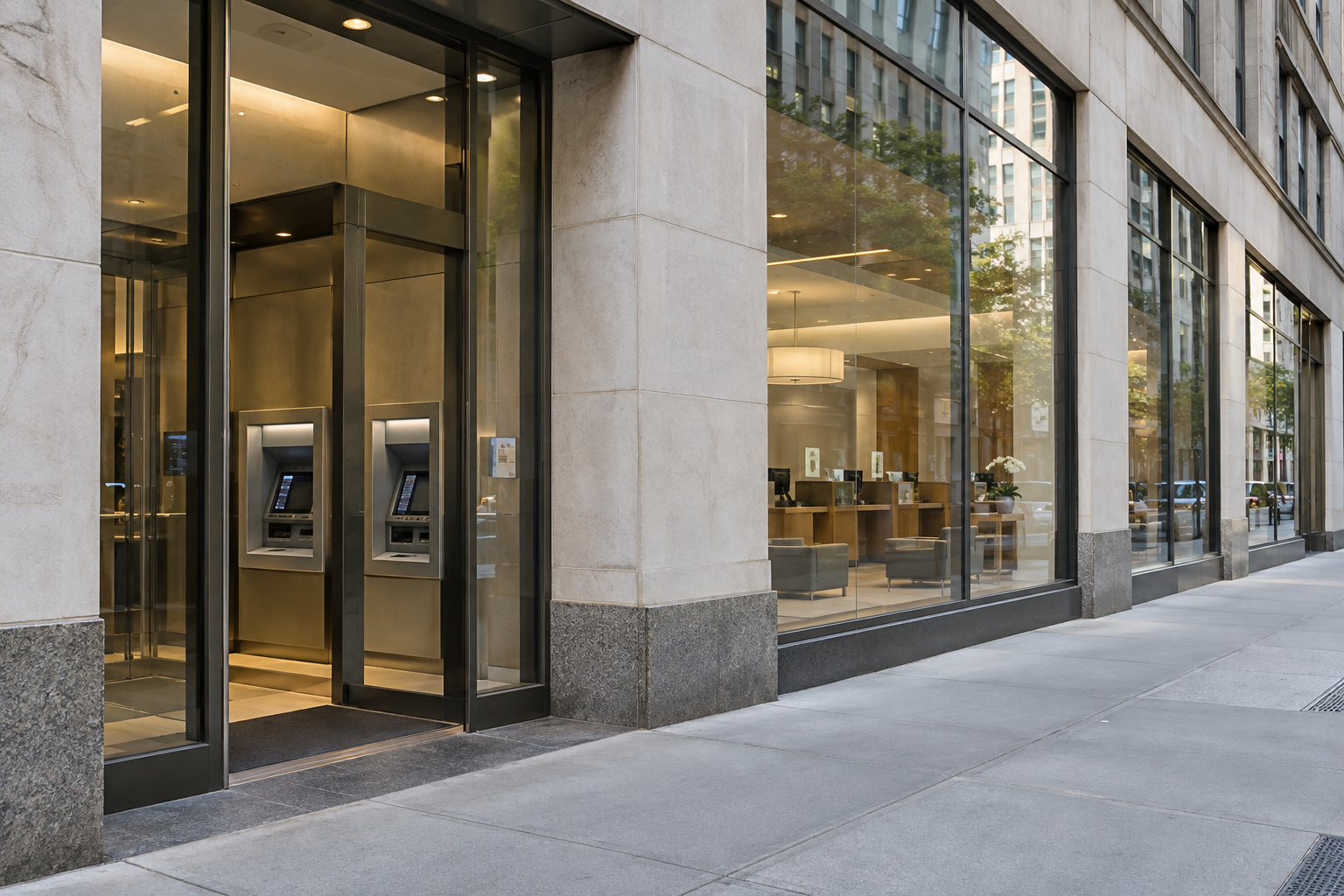
On August 27, 2026, Judge Jed Rakoff gave final approval to a $72.5 million class settlement in Doe v. Bank of America. Filed in federal court in Manhattan, the case covers women trafficked by Jeffrey Epstein from June 30, 2008, to July 2019. Notably, the bank admitted no wrongdoing. Even so, this sex trafficking settlement shows how survivors can recover from businesses that allegedly helped a trafficker operate.
Below, we explain the legal theory behind these cases and how a class settlement works. We also cover what the Epstein bank cases mean for survivors across New York.
How Survivors Sue Businesses That Enabled Trafficking
Federal law gives trafficking survivors a civil remedy under the Trafficking Victims Protection Reauthorization Act, often called the TVPRA. Under 18 U.S.C. 1595(a), a survivor can sue the trafficker. Beyond that, the statute reaches anyone who “knowingly benefits” from a venture. That includes a venture the person “knew or should have known” was engaged in trafficking.
Lawyers call this second category beneficiary liability. It matters because traffickers often have few assets, while the banks, hotel chains and platforms around them may have many. Our earlier post on TVPRA beneficiary liability in New York walks through each element in detail.
Timing is also generous compared with many state deadlines, a real advantage for survivors who needed years to come forward. Section 1595(c) generally gives a survivor 10 years from when the cause of action arose. For survivors who were minors, the period can run 10 years from their 18th birthday instead.
The Bank of America Sex Trafficking Settlement
Here is what sets the Bank of America case apart. Like the earlier Epstein bank cases, it targeted a financial institution rather than the trafficker. Earlier in the litigation, Judge Rakoff allowed the TVPRA beneficiary and obstruction claims to proceed past a motion to dismiss.
Because of that ruling, the case stayed alive. Later, the parties reached the $72.5 million deal, and the court granted final approval in August 2026. Attorneys’ fees were set at 30 percent of the fund.
Still, the lack of an admission is typical in class settlements. A defendant pays to resolve the lawsuit without conceding the allegations, and survivors receive compensation without the risk and delay of trial.
How a Class Settlement Works From Start to Finish
Because many survivors have never been part of a class action, the process can feel confusing. Knowing the steps helps. First, the parties negotiate terms and ask the court for preliminary approval. At that stage, the judge decides whether the deal looks fair enough to send to class members.
Next comes notice. Class members receive information about the settlement, how to file a claim and how to object or opt out. Survivors who opt out keep the right to bring their own lawsuit, while those who stay in are bound by the result.
Then the claims process begins. Each survivor submits a form describing what happened, and an administrator evaluates each submission under the settlement’s criteria. Finally, the court holds a fairness hearing and decides whether to grant final approval. Fees for class counsel also require the judge’s approval.
Often, confidentiality protections are part of the process. In addition, trafficking survivors may be able to proceed without their names becoming public, depending on the court’s orders.
Earlier Epstein Settlements With Banks and the Estate
This latest deal follows two larger bank settlements. In 2023, JPMorgan agreed to pay $290 million, and Deutsche Bank agreed to pay $75 million, to resolve lawsuits brought by Epstein survivors. Together, those cases showed that financial institutions can face real exposure for serving a trafficker.
Meanwhile, the executors of Epstein’s estate reached a settlement of up to $35 million. The court granted preliminary approval to that deal on March 3, 2026. Anyone who may be covered should watch for notices and deadlines as it moves toward a final decision.
Across these cases, one pattern stands out. Much of the money came from businesses rather than from Epstein alone. This same approach applies well beyond Epstein, as our post on trafficking lawsuits against hotels and platforms explains.
What This Means for Trafficking Survivors in New York
Today, survivors throughout New York can look at every business that touched the trafficking. Banks, hotel operators and online platforms may all face scrutiny. Here, the key question is whether the business knowingly benefited and knew or should have known what was happening.
New York law may offer additional options. Under Social Services Law 483-bb, victims can bring a state civil action against the perpetrator or anyone who knowingly advances or profits from trafficking. Our guide to a human trafficking lawsuit in New York compares the state and federal paths.
Evidence often decides these cases. Financial records, hotel receipts, text messages and witness accounts can show what a business knew. For that reason, survivors should preserve anything they have and talk with counsel before deadlines pass. Early advice can also help a survivor decide whether to join a class or file an individual lawsuit.
How The Law Firm of Andrew M. Stengel, P.C. Helps Trafficking Survivors
Every sex trafficking settlement starts with a survivor willing to hold the enablers accountable. Across New York, The Law Firm of Andrew M. Stengel, P.C. represents trafficking survivors against traffickers and the businesses that profited. Learn more about our work as human trafficking lawyers in New York and our other civil practice areas.
Contact us to discuss your case. Email info@stengellaw.com or schedule at https://calendly.com/stengellaw.