



What Diocese Bankruptcies Mean for Abuse Survivors: Diocese Bankruptcy Abuse Claims in New York
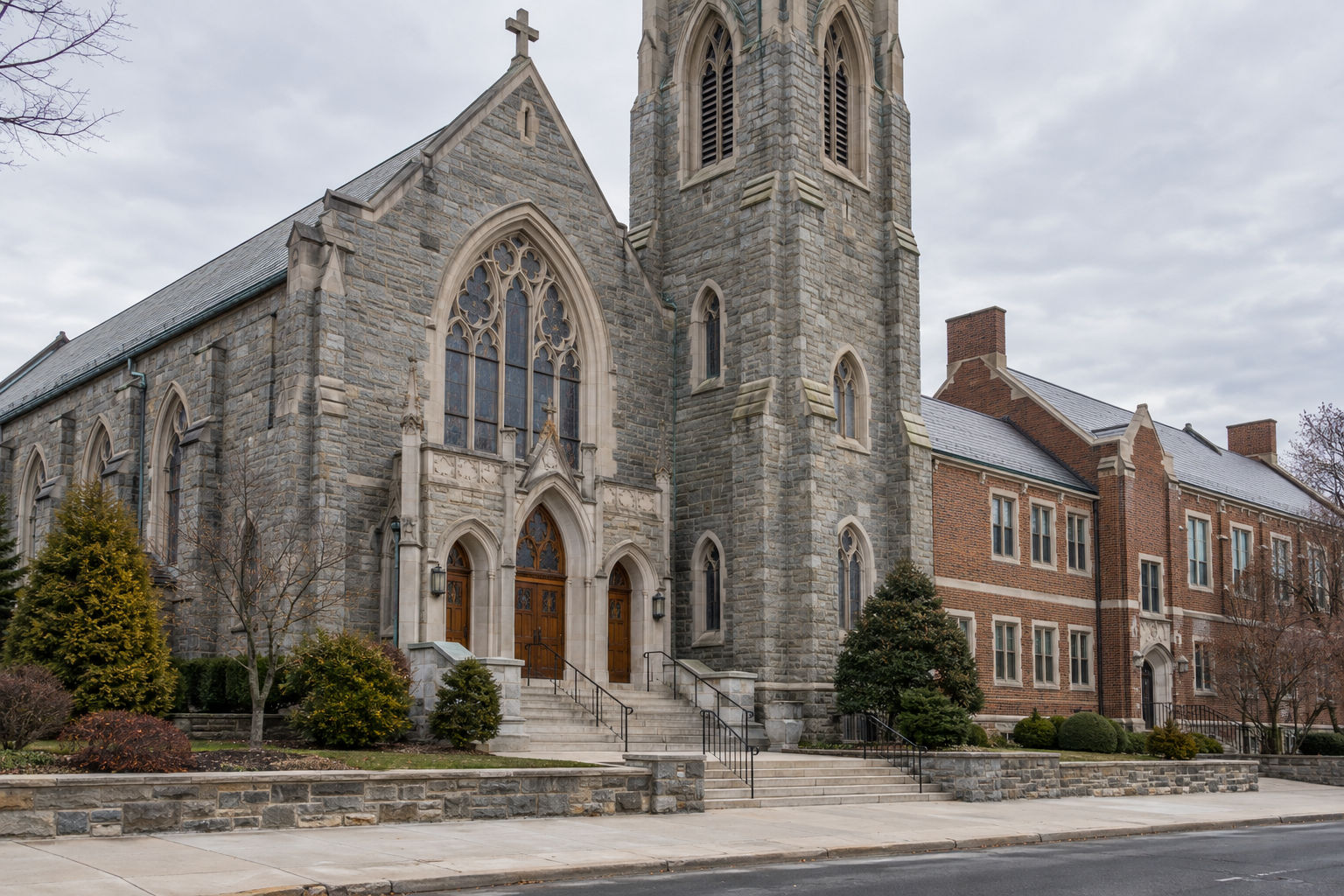
Late in August 2026, Judge Carl L. Bucki approved the disclosure statement in the Diocese of Buffalo’s Chapter 11 case. His order sent a $326 million plan to about 900 survivors for a vote. The diocese would contribute $150 million, and its insurers would add $176 million. Next comes a confirmation hearing, expected in October 2026. Today, diocese bankruptcy abuse claims are the main path to compensation for many New Yorkers abused by clergy as children.
This post explains how a Chapter 11 filing changes a survivor’s lawsuit and what the vote means. It also covers why the Supreme Court’s 2024 Purdue Pharma ruling matters so much across New York. Nothing here is legal advice about any single case.
How Chapter 11 Stops Child Victims Act Lawsuits
Most of these cases began under the Child Victims Act, which opened a revival window for older childhood abuse lawsuits. That window has closed. Still, thousands of survivors filed in time, and many named a Catholic diocese as a defendant.
Once a diocese files for bankruptcy, the automatic stay in 11 U.S.C. 362(a)(1) takes effect. It halts the continuation of lawsuits against the debtor. Discovery stops, trial dates fall away and the state-court case freezes. Instead, each survivor’s case becomes a claim in the bankruptcy. A trust process, rather than a jury, usually sets its value.
Even so, the shift is not the end of the road. Because the bankruptcy court oversees one global resolution, a survivor may recover from a pool funded by the diocese and its insurers. Our earlier post on notable CVA verdicts and settlements shows how case values developed before the bankruptcies took over.
Voting on a Plan in Diocese Bankruptcy Abuse Claims
Here is where survivors gain real leverage. Every Chapter 11 plan generally needs acceptance from the classes of creditors it affects, and survivors usually form their own class. Under 11 U.S.C. 1126(c), a class accepts when two-thirds in amount and more than half in number of those voting approve.
First, the court approves a disclosure statement, the document that explains the plan. Next, survivors receive ballots and vote. Finally, the judge holds a confirmation hearing to decide whether the plan meets the legal standards. Buffalo’s October 2026 hearing is that last step.
Often, the vote reflects months of mediation among the diocese, the insurers and a committee of survivors. Strong survivor support signals that the deal works. In contrast, a weak vote can send the parties back to the table.
Insurers, Parishes and the Purdue Pharma Ruling
Insurance money often makes up the larger share of these deals. Buffalo’s insurers would pay $176 million, more than the diocese’s own $150 million. Insurers pay in exchange for releases from further liability.
Parishes raise a harder question. Across New York, local parishes and schools are often separate corporations, and many survivor lawsuits named them too. Dioceses have wanted their plans to release those related entities along with the debtor.
However, the Supreme Court ruled in 2024 that the Bankruptcy Code does not authorize nonconsensual releases of lawsuits against nondebtors. Since that Purdue Pharma decision, diocese negotiations nationwide have changed. Under it, a parish that has not filed for bankruptcy cannot simply receive a forced release.
Then, on April 3, 2026, Judge Bucki ruled in the Buffalo case that an opt-out alone is not consent. Put simply, a survivor who fails to return a form has not agreed to release a parish. Judge Bucki certified that ruling to the Second Circuit, so the appeals court may weigh in. Therefore, read every ballot and release form carefully, and get advice before signing.
Where Each New York Diocese Stands
Three cases are done. Rockville Centre’s $323 million plan was confirmed on December 4, 2024. Rochester’s $246 million plan won approval in September 2025. Syracuse received its final decree on February 25, 2026, after a $176.1 million resolution.
Three more remain pending. Beyond Buffalo, the Diocese of Albany announced a $148 million deal on March 27, 2026, which has not yet been confirmed. Ogdensburg filed an $83 million plan on August 31, 2026.
Two of the largest have not filed at all. On May 1, 2026, the Archdiocese of New York announced an $800 million proposal without a bankruptcy filing. Meanwhile, the Diocese of Brooklyn remains in mediation. Survivors with lawsuits against either one are still in state court for now.
Notably, the details of diocese bankruptcy abuse claims differ from plan to plan. Anyone with a case against a diocese should know which stage it has reached. Our guide on clergy sexual abuse lawsuits under the GMVA covers another route some survivors may still use.
What Survivors Can Do Now
Today, the most important step is to stay involved. Watch for ballots, filing deadlines and notices from the bankruptcy court. Keep your contact information current with your lawyer and the court.
Additionally, think about how you will present the harm. Trust procedures usually weigh the nature of the abuse, its duration and its effect on your life. Therapy records, medical care and lost work can matter, much as they would in a childhood sexual abuse lawsuit in New York.
Survivors who never filed may still have options in some cases. For example, New York’s age-55 rule for childhood sexual abuse can preserve a lawsuit that the revival window did not cover. Beyond that, a New York sexual abuse lawyer can review whether a diocese, a parish or another institution may still face a lawsuit. We also represent survivors of child abuse throughout New York.
Talk With The Law Firm of Andrew M. Stengel, P.C. About Your Diocese Case
Bankruptcy rules move fast, and a missed ballot or a signed release can change what you recover. Across New York, The Law Firm of Andrew M. Stengel, P.C. represents survivors in cases against dioceses and other institutions. Learn more about our civil practice areas.
Contact us to discuss your case. Email info@stengellaw.com or schedule at https://calendly.com/stengellaw.